
How To Know If Your Sump Pump Is Working Properly
In Toronto, sump pumps can run quietly for months, then suddenly matter a lot during heavy rain or rapid snowmelt. Many homeowners do not discover a problem until water shows up where it should not. This guide explains what a sump pump does, the normal signs it is working, simple checks you can do safely, and when it is time to call a licensed plumber.
What Is A Sump Pump, And What Does It Do?
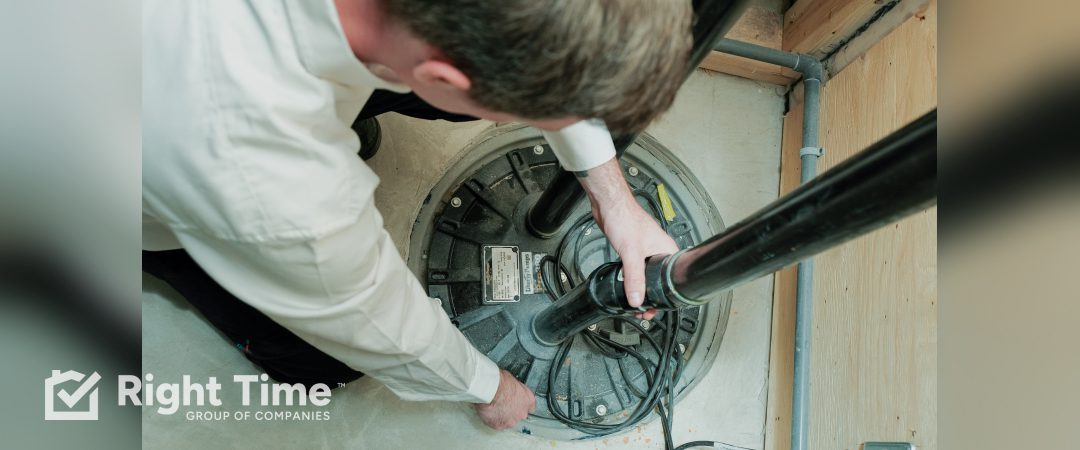
A sump pump sits in a sump pit (a basin) that collects groundwater near the foundation. When the water level reaches a set point, the pump turns on and discharges water through a pipe to a drainage area away from the home.
How Do I Know If My Home Has A Sump Pump?
Look for a lidded basin set into the basement floor (or sometimes a crawl space) with a pipe exiting it and running toward an exterior wall. You may also see a dedicated outlet nearby and, in some homes, a high-water alarm.
If you are unsure, do not remove sealed covers or handle wiring. A plumber in Toronto can confirm the setup and check that the discharge route is safe and effective.
What Are The Normal Signs That A Sump Pump Is Working Properly?
During wet conditions, a sump pump that is working properly often shows these normal signs:
- It turns on automatically as water rises and shuts off once the level drops.
- Water discharges outside through the discharge pipe.
- The water level in the pit drops while it is running.
- It does not run continuously for long periods unless conditions are unusually wet.
Note: a sump pump moves groundwater, not sewage, so sewage odours are not a normal “sump pump” symptom.
What Are The Warning Signs That My Sump Pump Is Not Working Correctly?
Book a service if you notice:
- The pump does not turn on when the water level in the pit rises.
- The pump runs, but little or no water discharges outside.
- The pump is short-cycling (turning on and off repeatedly in quick bursts).
- New grinding, loud rattling, or strong vibration.
- Water stays high in the pit long after rain, or you see dampness nearby.
What Can I Safely Check At Home?
Keep checks simple. If anything involves electricity near moisture, stop and call a pro.
Homeowner OK
- Check that the lid is seated and the area is clear of obvious debris.
- During or after wet weather, confirm water is leaving the home at the discharge point outside.
- Check the outdoor discharge for blockage. In winter, watch for ice.
If you have a high-water alarm, test it using the manufacturer’s instructions.
Pro Only
- Electrical diagnostics, switch replacement, or outlet issues.
- Clearing a blocked discharge line if it requires disassembly.
- Installing or correcting check valves, discharge piping layout, or pit sealing.
- Installing a backup system.
Where Should The Sump Pump Water Discharge In Toronto?
In most homes, the discharge line is designed to carry water away from the foundation so it does not recirculate into the sump pit or collect beside the basement wall. In Toronto, discharge should be directed onto a permeable surface and kept at least 2 metres away from the foundation wall.
A few practical, safe checks:
- Make sure the outlet directs water away from the house, not directly at the foundation.
- Keep the discharge point clear of debris so water can flow freely during heavy rain.
- In winter, watch for ice buildup that could block discharge and cause the pump to run without moving water.
If you are unsure where the line goes or the outlet seems poorly routed, a plumber can confirm whether it is set up correctly for your property.
How Can I Test My Sump Pump Safely?
A basic functional test is to add clean water to the pit until the float activates the pump. Confirm the pump turns on, water discharges outside, and the pump shuts off normally once the level drops.
Do not test it yourself if the cords look worn, the pump trips the breaker, the outlet area is damp, or you are uncomfortable working near electricity.
How Long Does A Sump Pump Last?
Lifespan depends on how often the pump runs and how well it is maintained. AtlasCare notes that sump pumps typically last 7–10 years, depending on use and maintenance.
If you do not know how old your pump is, or it has started making new noises or cycling oddly, schedule an inspection before the next high-demand season.
Do I Need A Sump Pump Backup?
A sump pump cannot help if the power goes out, so backup planning matters. Canada’s Flood Ready guidance recommends making sure your sump pump is working and has a battery backup in case the power goes out. The City of Toronto also advises homeowners to understand how to keep a sump pump operational during power outages and to consider installing a backup power source.
When Should I Call A Professional Right Away?
Call promptly if you notice:
- Water is rising in the pit, and the pump will not turn on.
- Basement water during heavy rain or rapid snowmelt.
- Breakers tripping when the pump starts.
- A discharge line that appears blocked, and you cannot confirm safe flow outdoors.
If you are dealing with active water intrusion or a pump that will not run when it should, treat it as an emergency plumbing issue in Toronto and get help quickly.
If you want reassurance before the next storm, book a sump pump inspection or repair with AtlasCare. If you need plumbing services for an urgent sump pump issue, an emergency plumber in Toronto can confirm whether your pump, float, and discharge system are working properly.