
Can you add a humidifier to an existing furnace?
When your furnace runs more often in winter, indoor air can feel noticeably drier. That can show up as static shocks, dry skin, irritated eyes, or a scratchy throat, especially overnight. If you have a forced-air furnace, you may be wondering whether you can add a humidifier to your existing system. In most homes, the answer is yes, but the best option depends on your duct layout, water access, and how dry your home gets during the heating season.
Can a Whole-Home Humidifier Be Added to an Existing Furnace?
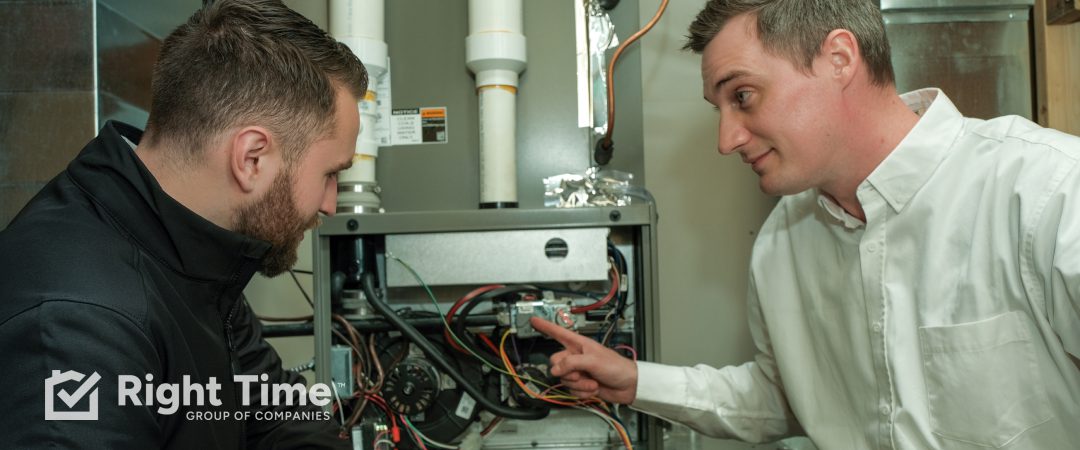
Yes. A whole-home humidifier can usually be added to an existing forced-air furnace. The unit is installed at the furnace and connected to ductwork, allowing it to add moisture to the air as it circulates through your home.
Before installing anything, a technician should confirm the basics: sufficient space in the ductwork, safe access to a water supply and drain, compatibility with your furnace controls or thermostat, and airflow that supports the recommended humidifier type.
To learn more about available options, see AtlasCare’s whole-home humidifier services in Oakville.
Is Adding a Humidifier to Your Furnace Worth It?
For many households, the value is comfort and consistency. Balanced humidity can make indoor air feel less harsh during winter and reduce common dry-air symptoms, especially in bedrooms and main living areas.
Homeowners often consider furnace humidifier systems for:
- Comfort Support: Indoor air can feel less dry during the heating season.
- Static Reduction: Maintaining a balanced humidity can reduce static shocks and static cling.
- Home Protection: Steadier humidity can help reduce drying and shrinking in wood trim and furniture.
- More Stable Comfort Indoors: Many homes feel more comfortable when humidity is kept in a healthy range.
The key is balance. Too much humidity can contribute to condensation on windows and moisture problems, so it is important to set your humidifier based on real readings.
What Indoor Humidity Level Should You Aim For In Winter?
Health Canada recommends maintaining your home’s relative humidity between 30% and 50%.
In Ontario winters, Save on Energy notes that 30–40% is typically ideal for staying comfortable without leaving condensation on windows.
Two practical guardrails:
- If you notice persistent window condensation, your humidity setting may be too high for current outdoor conditions.
- Use a hygrometer to measure humidity rather than guessing. Health Canada notes you can use a hygrometer to measure indoor humidity.
What Type Of Humidifier Works With A Furnace?
Most whole-home humidifiers used with forced-air furnaces fall into three categories:
Bypass Evaporative Humidifier
This type uses a water panel and furnace airflow to evaporate moisture into the airstream. It is a common option in many homes.
Fan-Powered Evaporative Humidifier
Similar to bypass, but uses a fan to move air through the water panel. This can help in certain duct configurations.
Steam Humidifier
Steam units generate steam and inject it into the ductwork. These can deliver more moisture, but typically require more electrical capacity and a careful installation plan.
A proper recommendation should account for your home’s dryness level, duct layout, water and drain access, and how you want humidity controlled.
How Is A Humidifier Added To A Furnace?
A professional installation typically includes:
- Assessment: Confirm your humidity needs and recommend the right humidifier type.
- Placement Planning: Choose a location on the ductwork that supports performance and service access.
- Mounting and Sealing: Install the unit and seal connections properly.
- Water and Drainage: Connect the water supply and confirm drainage to help prevent leaks.
- Controls and Setup: Integrate the humidistat or control and confirm it responds correctly when the furnace runs.
- Testing: Confirm operation and check for leaks.
If you are specifically searching for a furnace humidifier installation in Oakville, the biggest value of an on-site assessment is matching the right humidifier type to your duct layout and humidity goals, while ensuring safe water and drainage routing.
Where Is The Best Place To Put A Humidifier On A Furnace?
There is not one universal best spot for every home. The ideal placement depends on duct layout, available space, safe water and drain routing, and service access. What matters most is that the humidifier can add moisture effectively, drain properly, and be maintained without difficulty.
What Can You Do Yourself Vs What Should A Pro Handle?
Clear boundaries help prevent leaks and moisture problems.
Homeowner-Friendly Steps
- Measure humidity with a hygrometer and adjust settings gradually.
- Watch for condensation on windows and lower humidity when needed.
- Replace furnace filters on schedule and keep supply and return vents unblocked.
- Follow the manufacturer’s instructions for any homeowner-safe maintenance of the humidifier.
Pro-Only Work
- Cutting into ductwork, mounting the unit, and sealing connections correctly
- Running water lines and drain connections
- Wiring controls or integrating with furnace control boards or thermostats
- Diagnosing leaks, drainage issues, or control problems
If your humidifier is leaking, not keeping up, or the control is not responding properly, it is time to book a humidifier repair service in Oakville rather than trying to force a fix.
If your furnace is also showing signs of trouble, review AtlasCare’s furnace repair options in Oakville.
What Are Common Humidifier Mistakes In Winter?
Most problems come from aiming too high and ignoring moisture signals.
- Setting the humidity too high in colder weather can increase the risk of condensation.
- Skipping maintenance, which can reduce output and increase the chance of buildup or leaks. Health Canada recommends cleaning and disinfecting items that hold water, including humidifiers.
- Ignoring moisture sources, especially from kitchens, bathrooms, or unvented dryers, which can contribute to dampness and mould risk.
When Should You Book A Humidifier Consultation?
Consider booking a consultation if dry air is a recurring winter issue, you want a whole-home solution rather than portable units, or you want guidance on safe target settings that improve comfort without condensation concerns.
If you are also considering furnace upgrades, you can review furnace installation options and Maintenance Plans to support long-term comfort and system reliability:
If you want balanced humidity without condensation or leaks, consider booking an in-home assessment for whole-home humidifier options.