
Should you cover your AC unit in the winter?
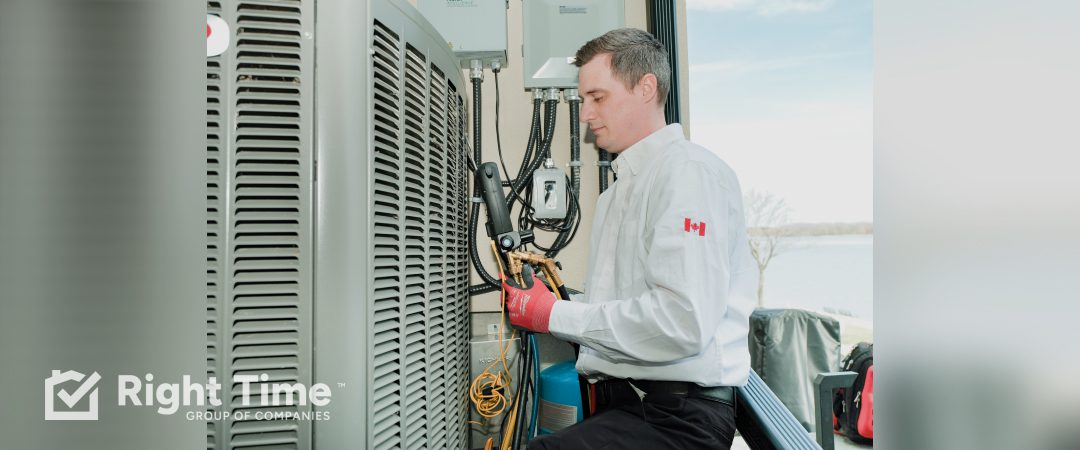
Most outdoor AC units in Ontario do not need a full winter cover. The bigger risk is trapping moisture inside the unit with a tight wrap or plastic tarp, which can contribute to rust, corrosion, or pest nesting. In this guide, you’ll learn when a breathable top cover can help, what to avoid, and a few simple winter steps that protect your system without creating new problems. If you are not sure whether you have a traditional AC or a heat pump, that distinction matters because winter operation and airflow requirements differ.
Do You Need To Cover Your AC Unit In The Winter?
Usually, no, not fully. A full wrap-style cover can trap moisture, restrict airflow, and create conditions that can cause issues over time. Many homeowners get better results by doing simple winter prep and leaving the unit uncovered.
That said, there are a few situations where a cover can help, as long as it is used correctly:
- The unit sits under trees and is subject to heavy falling debris.
- The unit is exposed to ice chunks or roof runoff that could dent the top.
- You want a simple barrier to reduce leaves and twigs from collecting near the fan area.
If you cover it, a breathable top cover is often enough. In other words, protect the top from debris, but avoid sealing the entire unit like a shrink wrap.
What Is The Best Way To Protect Your Air Conditioner In Winter?
The best winter protection is simple and moisture-safe.
What Should You Clear Around The Outdoor Unit?
Before winter, clear away leaves, dirt, and any buildup around the unit. Keep the space open so snow and melting water don’t pool right against the base. This also makes the spring start-up smoother.
Should You Trim Branches Near The Unit?
Cut back branches that hang over the unit. This lowers the chance of damage from falling branches and reduces the amount of debris that can collect during wind and storms.
What Type Of Cover Should You Avoid?
Plastic tarps and tight covers can trap condensation. That moisture can linger against metal components and increase the chance of corrosion. If you do use a cover, choose a breathable one designed for outdoor units.
Should You Turn Off Power To The Outdoor Unit?
If you have a central air conditioner that will not run in winter, shutting off power to the outdoor unit can prevent it from turning on unexpectedly during an unusual warm spell.
Important note: If your home uses a heat pump that runs in winter, it should not be powered off or covered the same way because it needs airflow to operate properly. If you are unsure what system you have, it is worth confirming with an Oakville HVAC professional before making any winter changes.
When Should You Cover Your Air Conditioner?
If you choose to cover it, timing matters.
- Cover it after fall cleanup is done and heavy leaf drop has passed.
- Remove the cover in spring before you restart the system.
If you cover too early, you may trap damp leaves or debris under the cover. If you leave a cover on too long into spring, you may create a damp environment that encourages corrosion. It also helps to remove any cover before the first warm week, so you do not forget to switch back to cooling.
How Should You Cover Your Air Conditioner The Right Way?
If you are going to cover your outdoor unit, use these rules:
What Kind Of Cover Is Safest?
Choose a cover designed for air conditioners. Breathable materials reduce the chance of trapped moisture and condensation inside the unit.
Should You Wrap The Unit Completely?
Tight covers can trap moisture. Many homeowners prefer a top-only cover that protects from falling debris but leaves the sides open to allow airflow.
How Should You Secure A Cover?
If the cover needs to be secured, do not use anything that could bend fins or damage the cabinet. A properly fitted cover should stay in place without being over-tightened.
Should You Check The Cover During Winter?
After major wind or storm events, check that the cover has not shifted and that debris has not accumulated around the base.
Is It Safe To Cover Your Air Conditioner?
Yes, covering your air conditioner can be safe, but only if it is done correctly. The main issue is not the cover itself. It is moisture and airflow.
If you are unsure whether your unit should be covered, or you want to confirm your system is in good shape before summer, a seasonal service visit is often more useful than relying on a cover alone.
What Else Should You Do To Prepare For Spring?
Winter is a good time to plan ahead so you are not scrambling when the first hot week hits.
- Make sure you know where your thermostat settings are and how to switch to cooling when the time comes.
- Keep supply and return vents clear indoors so airflow is not restricted.
- If you noticed weak airflow, unusual noises, or inconsistent cooling last summer, it is worth addressing early before peak demand.
This is when air conditioning services in Oakville can help you confirm the system is clean, operating as it should, and ready for the season.
How Often Should You Service Your Air Conditioner?
Most homeowners benefit from having their air conditioner professionally serviced at least once per year, often in spring before peak cooling season.
If your system is not cooling properly, is making unusual noises, or you want help confirming your setup, you may need air conditioning repair support in Oakville before summer demand spikes.
If you want to protect your system long-term, consider booking a seasonal check to confirm your unit is clean, clear, and ready for summer’s return.